







Feeling stuck putting everyone else first? Discover the 3 challenges holding women back after 40 – and how to finally move past them.
Your email is 100% confidential. Unsubscribe anytime.


If you’ve ever wondered why you overextend yourself in relationships… why you struggle to say no, or feel responsible for other people’s emotions… you’re not alone.
These patterns don’t just appear out of nowhere. They have a starting point, one that’s often hidden beneath years of survival, silence, and self-sacrifice.
Understanding what causes codependency is the first step toward change. This article breaks down the three key drivers: your early environment, your internal wiring, and the cultural messages that shaped how you learned to love.
When you see the root causes clearly, it becomes easier to unlearn what’s been keeping you stuck and to rebuild in a way that honors you.
Codependency doesn’t start in adulthood. It’s not random, and it’s not a personality flaw. It’s learned. Quietly, over time. In childhood, long before you had the words for what was happening, your nervous system was already adapting to the emotional tone of your home. The patterns you carry now started there.
When your emotional needs aren’t met, you learn to stay quiet and focus on others. Love starts to feel conditional, something you earn by being helpful, invisible, or “good.”
In homes with inconsistent caregiving, you become the emotional regulator. You scan for tension, manage moods, and keep the peace because no one else will.
Neglect and invalidation send a clear message: your needs don’t matter. Over time, you trade self-expression for survival. Shame takes root, and over-functioning becomes your way of holding on to connection.
Many children in this position are also parentified; caring for siblings or emotionally supporting a parent. You grow up fast and start believing love means self-sacrifice. That belief doesn’t stay in childhood. It shapes every relationship that follows.
In a dysfunctional family dynamic shaped by constant emotional chaos, children learn quickly that their needs create tension. To stay connected, they push their needs aside and focus on keeping others stable.
This survival strategy shows up in how communication is handled. When truth leads to conflict — or is met with silence — children stop speaking honestly. They learn to read the room, hold their feelings in, and avoid saying what might upset the balance.
Over time, that emotional suppression leads to enmeshment. Without clear boundaries, you become responsible for someone else’s pain. You manage their moods, absorb their distress, and lose sight of where you end and they begin.
In families like this, there are often unspoken rules: don’t talk, don’t feel, don’t need. Those rules shape your identity. They teach you to equate love with self-denial, and survival with silence.
These patterns become generational. A codependent mother, shaped by her own upbringing and the same rules, may pass down the belief that love means overgiving and staying quiet. Not because she chooses it, but because no one showed her another way.
When caregivers are inconsistent, unavailable, or emotionally overwhelming, your nervous system adapts to survive. You develop insecure attachment patterns, learning that connection is unpredictable, so you either cling tighter or shut down completely, not by choice, but by necessity.
This early adaptation forms your blueprint for attachment styles. If love felt unsafe, your body remembers. You begin to control the connection any way you can, by caretaking, people-pleasing, or staying hyper-attuned to others’ needs, hoping it keeps you close.
That constant effort is often driven by a deep fear of abandonment. When your childhood needs were rarely met, even stable relationships in adulthood can trigger anxiety. You’re not just reacting to the present. You’re managing the past through the lens of early attachment styles, still wired to protect yourself from the loss that once felt inevitable.
If insecure attachment taught you to shape yourself around others, start here. The Personal Power Experiment is a simple, 5-minute exercise that helps you practice asking for what you want. Clearly, calmly, and without apology.
No pressure. No performance. Just one small step toward rebuilding trust with yourself.
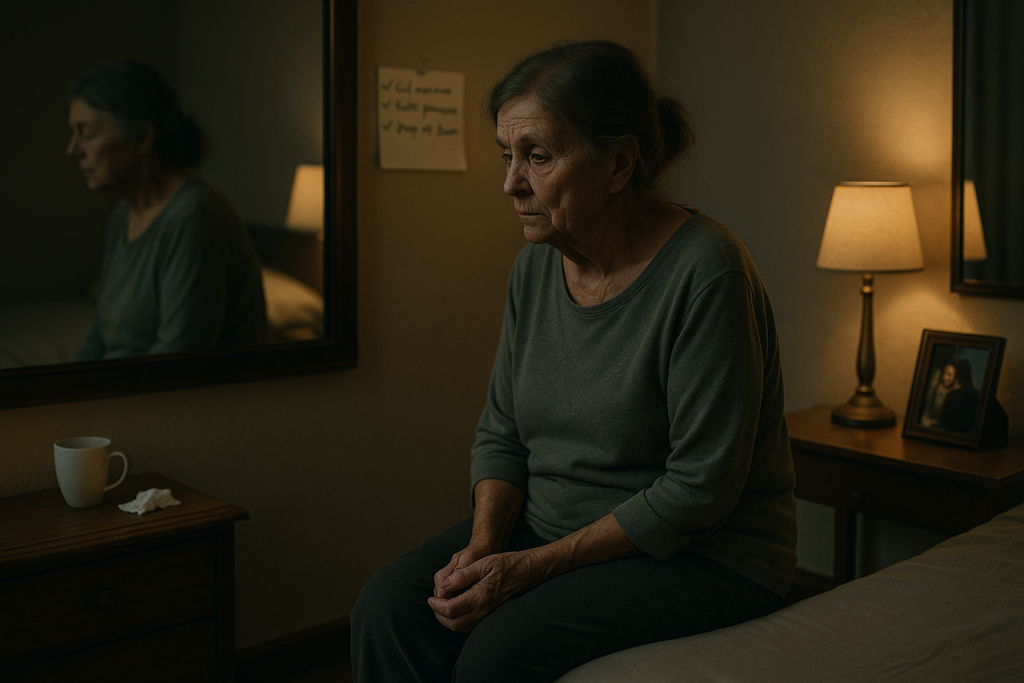
Childhood trauma and maltreatment train your nervous system to stay on high alert. When emotional abuse, neglect, or chaos is constant, you become hyper aware of others and lose touch with yourself.
In that environment, trauma bonding can develop. You attach to the very person who harms or neglects you, because that bond is your only source of stability. You learn to equate pain with connection, staying close even when it hurts because leaving feels worse.
This confusion turns caretaking into protection. Your way to stay safe. You manage emotions, avoid conflict, and try to earn love through fixing and pleasing. Boundaries fade, and your identity forms around meeting everyone else’s needs.
What began as survival becomes your default coping mechanism. And without interruption, it keeps you stuck in patterns that drain you.
Codependent behavior stems from early beliefs that tie love to usefulness. If you learned that your needs were too much or always in the way, you stopped naming them. Over-functioning became the way to stay connected.
Shame sits at the root. Formed through childhood trauma, neglect, and insecure attachment, it tells you that you’re not enough as you are. So you perform, sacrifice, and overgive to avoid rejection, even if it means abandoning yourself.
Beneath it all is a persistent fear of abandonment, the worry that if you stop giving, the love will disappear too.
Eventually, you stop regulating from within. You look outward to feel okay, constantly scanning others for cues. Denial patterns take hold. You minimize your pain to keep the peace, but it never really goes away.
When you grow up learning that your feelings don’t matter and your boundaries aren’t respected, your sense of self begins to fade. You look to others to define your worth, unsure of who you are without their approval and driven by a quiet, constant fear of rejection.
This creates a constant undercurrent of self-doubt. Low self-esteem becomes familiar, often paired with depression and the belief that you only matter when you’re useful. You tie your value to how much you give or how well you keep the peace.
Eventually, self-sacrifice feels like love. You shrink yourself to feel safe, convinced that being needed is the only way to belong.
To keep that safety, you start to control what you can, like other people’s needs, reactions, outcomes. And when control isn’t enough, perfectionism steps in. You try to earn your place by being agreeable, capable, and easy to love. But what you’re really doing is hiding the shame that was never yours to carry.

Culture, community, and the environments you live in all play a role. The messages you receive — about worth, roles, and relationships — shape how you behave, what you tolerate, and how you see yourself in connection with others.
In many cultures, self-sacrifice is praised, especially for women. Being “good” often means putting others first, staying agreeable, and staying emotionally available. Caretaking is rewarded. Boundaries are not.
These roles are taught early through gender expectations and reinforced by religion, tradition, and community. Over time, they feel less like expectations and more like identity.
Spiritual teachings and media often romanticize suffering and overgiving, turning endurance into a measure of love. The message is clear: your worth lies in how well you serve.
Even in the workplace, over-functioning and self-neglect are rewarded. When codependent traits are validated everywhere, they don’t feel harmful. They feel normal.
Codependency is often modeled in childhood. When you grow up around enabling behaviors, blurred boundaries, and emotional caretaking, those patterns become your template for love.
You learn that meeting others’ needs earns approval, and that self-neglect keeps the peace. These strategies help you survive, so your brain keeps repeating them.
In adult relationships, the payoff continues. If caretaking calms someone or avoids conflict, it becomes automatic. Over time, the pattern becomes your default — not because you chose it, but because it was all you knew.

When codependent patterns run deep, it’s easy to lose sight of your own needs. You spend so much time managing emotions, maintaining peace, and being the steady one — there’s no space left for you.
That doesn’t mean you’re broken. It means you’ve been operating in survival mode for a long time.
Finally First is a free guide that walks you through the 3 most common challenges women face in the second half of life — and how to move through them with clarity, confidence, and self-respect.
You’ll learn how to:
You don’t have to keep disappearing. Get the guide and start coming back to yourself.
Severe codependency forms when many layers stack up, from early attachment wounds, family dysfunction, trauma, to years of unmet needs. It gets stronger in relationships that keep the pattern going. If you learned that love means self-sacrifice or control, and you’re with someone who depends on you to hold everything together, it’s easy to stay stuck. Severe codependency forms when survival habits that started early repeat over time.
Most codependent patterns start in childhood, but adult relationships and stress can make them stronger. If you grew up with emotional neglect, parentification, or enmeshment, those early roles become familiar. And when your current environment rewards those same behaviors, the patterns become even harder to see and harder to let go.
Yes. Growing up around constant emotional chaos makes codependency more likely. So does emotional abuse, neglect, or having to care for others too soon. If you were punished for having needs or praised for doing too much, those patterns stick. And as an adult, living in environments that reward self-neglect (e.g., at home, at work, or in your culture) can keep you stuck.
A childhood marked by childhood maltreatment, insecure attachment, or emotional neglect, where your needs were overlooked. Maybe a parent was distant, unpredictable, or too overwhelmed to show up for you. Maybe you took care of others instead of being cared for. Boundaries were missing, and you felt responsible for keeping everyone else okay. Over time, you learned that love had to be earned and your worth depended on what you gave, not who you were.
Because it makes you disappear. You learn to ignore your needs, stay quiet, and measure your worth by how much you do for others. It leaves you drained, overwhelmed, and unsure of who you are. Codependency turns relationships into a cycle of control and guilt, instead of respect and real connection.
You stop by loving yourself more. Setting boundaries, naming your needs, and letting others take responsibility for their choices is an act of respect. You don’t need to love less. You need to love differently, in a way that includes you.
Yes. It takes time, and it won’t be perfect. But with support and a willingness to try something new, you can unlearn the patterns that keep you stuck. Healing means coming back to yourself . That means coming back to your voice, your boundaries, and your values. You’re not broken. You’re built for connection. And that connection can start with you.
You don’t have to fix everything at once. But you can start shifting the dynamic, gently, clearly, and without conflict.
The Behavior-Based Boundaries eCourse is a 16-day self-paced experience that shows you how to recognize what’s actually happening in your relationships and respond in ways that protect your peace without losing connection.
You’ll learn:
If you’re ready to stop over-functioning and start honoring yourself, this is your next step.


Feeling stuck putting everyone else first? Discover the 3 challenges holding women back after 40 – and how to finally move past them.
Your email is 100% confidential. Unsubscribe anytime.